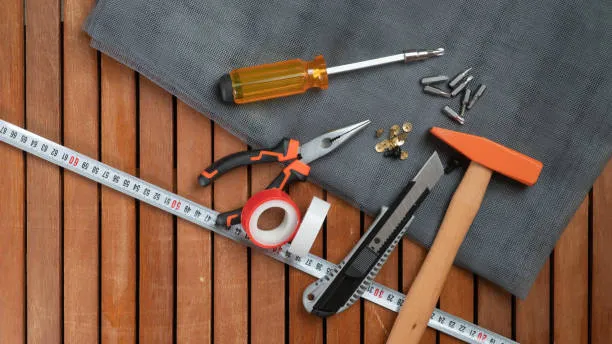
Tools Needed to Build a Fence - Essential Equipment
On this page
Ready to take on a DIY fence-building project? Before any of these tools come out, the underground utilities have to be marked — see NJ 811 markout and surveys before a fence install, because the obligation is yours when you dig yourself. This guide highlights the essential tools you’ll need to successfully construct a durable and sturdy fence. From digging post holes to securing panels, we cover everything from basic hand tools to power equipment, ensuring you’re prepared for every step of the process. Whether you’re building a wood, vinyl, or metal fence, having the right tools on hand will make the job smoother and more efficient. Discover the must-have equipment and tips for using each tool effectively, ensuring your fence project is completed with precision and ease.
Materials Needed for Building a Fence
Learn about the essential materials required for building a sturdy, long-lasting fence. From posts and panels to concrete and screws, having the right materials on hand will ensure a successful and efficient installation.
Choosing the right materials is key to building a fence that’s both durable and visually appealing. Here’s a list of the basics:
1. Fence Posts: The backbone of any fence, posts provide support and structure. Choose treated wood, metal, or vinyl posts for durability, and be sure to set them securely in the ground.
2. Fence Panels or Boards: Depending on your design, use pre-made panels or individual boards to create the main body of the fence. Common materials include wood, vinyl, and metal.
3. Concrete: Essential for stabilizing fence posts, concrete helps anchor posts securely in the ground, especially in areas prone to strong winds or heavy soil.
4. Gravel: Adding gravel at the bottom of each post hole improves drainage, reducing moisture exposure and helping to prevent rot for wood posts.
5. Hardware (Screws, Nails, and Brackets): High-quality, weather-resistant screws or nails are necessary for assembling the fence. Brackets can provide additional stability, especially for attaching panels to posts.
6. Gate Hardware (if applicable): For fences with a gate, you’ll need hinges, latches, and handles specifically designed for outdoor use.
Gathering these materials beforehand ensures a smooth construction process, helping you build a fence that’s secure, functional, and built to last.
Tools Needed to Install a Chain Link Fence
Discover the essential tools required to install a chain link fence efficiently and securely. Having the right tools will help you achieve a professional finish, ensuring your fence is both strong and well-aligned.
Installing a chain link fence requires a specific set of tools to handle each part of the process, from digging post holes to stretching the chain link fabric. Here’s a list of must-have tools:
Post Hole Digger or Auger: Essential for digging holes for the fence posts. A post hole digger works for small projects, while a power auger is ideal for larger fences or tougher soil.
1. Level: A level helps ensure that each post is perfectly vertical, which is crucial for a sturdy and visually appealing fence.
2. Measuring Tape: Accurate measurements ensure that your posts are evenly spaced and that the fence layout aligns with your property boundaries.
3. Wrenches: Used to tighten bolts on tension bands, brace bands, and gate hardware. An adjustable wrench or socket set works well for these tasks.
4. Fence Stretcher: A fence stretcher is necessary to properly stretch the chain link fabric, preventing sagging and ensuring a tight, secure fit.
5. Come-Along Tool: Often used with a fence stretcher, a come-along tool helps tighten the chain link fabric evenly across the fence line.
6. Pliers and Wire Cutters: Pliers are useful for bending wire ties and connecting the chain link to the top rail, while wire cutters help trim excess fencing material.
Tools Needed to Build a Wood Fence
Explore the essential tools required to build a sturdy and attractive wood fence. From digging post holes to attaching panels, having the right tools ensures a smooth installation and a professional-looking finish.
Building a wood fence requires a set of specific tools to handle each step, from setting posts to securing the panels. Here’s what you’ll need:
1. Post Hole Digger or Auger: A post hole digger is essential for digging deep, narrow holes for the fence posts, while an auger can speed up the process, especially in hard or rocky soil.
2. Level: A level ensures each post is perfectly vertical, which is crucial for a strong, straight fence.
3. Measuring Tape: Precise measurements are necessary for even post spacing and a consistent fence height.
4. Hammer and Nails or Power Drill and Screws: Depending on your preference, use a hammer and nails for traditional assembly or a power drill with weather-resistant screws for a sturdier connection.
5. Circular Saw or Handsaw: A saw is needed to trim fence boards or posts to the correct height and length. A circular saw is efficient for large projects, while a handsaw works well for smaller adjustments.
6. String Line and Stakes: A string line helps ensure that your fence posts are aligned in a straight line. Secure the string with stakes at each end of the fence line for accurate alignment.
7. Shovel: Useful for clearing soil and leveling the ground around post holes or along the fence line.
8. Safety Gear: Safety glasses, gloves, and ear protection are essential when working with power tools and heavy materials.
Frequently asked questions
Tap a question to read the answer.
What basic tools do I need to build a wood fence?
Do I need any special tools to install a chain link fence?
What materials are required for building a durable fence?
Can I install a fence without a post hole digger?
How do I know which screws or nails to use for my fence?
Ready to plan your fence?
Get a free, no-obligation quote from a local NJ fence company. We install vinyl, wood, aluminum and chain link fences across Wayne and surrounding towns.
Continue reading

Call before you dig: NJ 811 markout and surveys before a fence install
Every fence post is an excavation, and New Jersey law says the utilities get marked first. Here's how the 811 markout works, what the paint colors mean, what 811 will never mark, and when your town wants a survey.
Read more HOA fence approval in New Jersey: rules, timelines and what boards actually allow
If your home is in a planned community, your association gets a say in your fence — and its approval is separate from your town's permit. Here's how the architectural review works and which fence styles usually clear it.
Read more How close to the property line can you build a fence in New Jersey?
Setbacks, surveys, who owns the fence between two houses, and what happens when a fence ends up on the wrong side of the line — explained by a Wayne fence installer.
Read moreOriginally published on fenceprobybruno.com.